Choosing a new software platform is a big decision, but the technology itself is only half the equation. A powerful system can process claims at scale, but it can’t coach an employee, clarify a complex policy, or show empathy to a frustrated customer. The most successful claims operations understand this distinction. They use insurance claims management software to handle the transactional side of the process while investing in tools that support the people making critical decisions. This article explores the features of leading claims platforms and explains how to pair them with a performance management system to create a truly effective, human-centered operation.
Key Takeaways
- Move beyond manual processes for better efficiency: Adopting claims management software replaces disjointed spreadsheets and emails with a unified system. This centralization helps your team resolve claims faster, minimize errors, and deliver a more consistent customer experience.
- Focus on features that solve your biggest problems: Look for core capabilities like automated workflows to eliminate bottlenecks, real-time analytics to guide performance, and self-service portals to give customers the transparency they expect.
- Plan for a successful transition: A smooth rollout depends on more than just the software itself. Prepare for key challenges like data migration, ensure your team is supported with thorough training, and establish clear metrics to measure the impact on your operations.
What is insurance claims management software?
Insurance claims management software is a system designed to organize and streamline the entire claims process, from the first notice of loss all the way to the final settlement. Think of it as a central hub that brings structure to what can often be a complicated, multi-step journey. Instead of juggling spreadsheets, emails, and paper files, your team gets a unified platform to manage every detail. This approach replaces disjointed manual tasks with a clear, consistent workflow that everyone can follow.
The main goal is to make claims handling more efficient, consistent, and transparent. These systems help you manage every step, from assigning adjusters and tracking investigations to handling payments and communicating with policyholders. By centralizing information and automating routine tasks, this software frees up your team to focus on what matters most: making accurate decisions and providing a great customer experience. It’s about turning a complex workflow into a smooth, manageable operation that reduces errors and ensures compliance. Ultimately, it provides the tools to handle claims faster and more accurately, which is a win for both your team and your customers.
What it does and how it helps
At its core, claims management software helps insurers expedite their claims processing and improve customer service. The system captures all relevant information when a claim is first filed, ensuring accuracy from the very beginning. It then automates workflows, routing tasks to the right people at the right time so nothing falls through the cracks.
This helps your team manage data for all kinds of use cases, from auto damage to property liability. With everything in one place, your adjusters and support staff have instant access to policy details, communication history, and supporting documents. This not only speeds up resolution times but also empowers your team to answer customer questions confidently and correctly on the first call.
Modernize your claims process
Many insurers find themselves held back by outdated systems or manual processes that create bottlenecks and limit visibility. When information is scattered across different platforms, it’s nearly impossible to get a clear picture of a claim's status or identify areas for improvement in your workflow. These challenges often push leaders to find a platform that brings structure and control back into the process.
Modern claims software replaces these fragmented systems with a single source of truth. It provides a clear, real-time view of your entire claims operation, giving you the insights needed to manage workloads and monitor team performance. By creating a more organized and transparent environment, you can build a claims process that is not only more efficient but also more resilient.
Why your business needs claims management software
If your claims process still relies on a patchwork of spreadsheets, manual data entry, and overflowing email inboxes, you’re likely facing unnecessary delays and frustrated customers. Modern claims management software isn't just a tool for organization; it's a strategic asset that transforms your entire operation. By centralizing information and automating workflows, this software provides the foundation for a more efficient, customer-centric, and secure claims process.
Adopting a dedicated platform helps you move from simply managing claims to truly optimizing them. It empowers your team with the tools they need to resolve issues faster, gives customers the transparent experience they expect, and protects your business from compliance risks and fraudulent activity. Let's look at the key reasons why this software is essential for any modern insurance business.
Improve efficiency and resolve claims faster
A streamlined claims process is the backbone of an effective insurance operation. Claims management software is designed to optimize and streamline every step, from the first notice of loss to the final settlement. By automating repetitive tasks like data entry, document routing, and status updates, the software frees up your adjusters and processors to focus on the more complex, high-value aspects of their work.
This efficiency isn't just about moving faster; it's about improving accuracy. When your team has instant access to the right information through a centralized Knowledge Management system, they can make correct decisions and resolve customer issues on the first contact. This reduces the back-and-forth that frustrates customers and creates internal bottlenecks, allowing you to close claims more quickly and consistently.
Create a better customer experience
For a policyholder, the claims experience is one of the most critical interactions they will have with your company. A slow, confusing, or opaque process can easily damage their trust and loyalty. Claims management software helps you create a better experience by offering transparency and control. Many platforms include self-service portals that allow customers to submit claims, upload documents, and track the progress of their case in real time.
This level of visibility reduces customer anxiety and cuts down on status-check calls to your contact center. It also equips your team to provide superior service. With a complete view of each claim and access to real-time data, your agents can have more informed and empathetic conversations. Investing in Dynamic Coaching alongside these tools ensures your team can turn these capabilities into consistently positive customer outcomes.
Stay compliant and prevent fraud
The insurance industry operates under a complex web of regulations. Failing to meet these requirements can lead to significant penalties and reputational damage. Claims management software helps you stay compliant by creating a clear, auditable trail for every action taken on a claim. It ensures that processes are followed consistently and provides features for tracking regulatory deadlines and reporting requirements.
Beyond compliance, these systems are a powerful defense against fraudulent claims. Advanced platforms use data analytics and AI to identify suspicious patterns and flag potentially fraudulent activity for review. By integrating Connected Quality Assurance into your workflow, you can ensure that these flags are investigated thoroughly and fairly. This not only protects your business from financial loss but also helps maintain the integrity of your entire claims operation.
Must-have features for claims management software
When you start looking at different claims management platforms, the sheer number of features can feel overwhelming. To cut through the noise, it helps to focus on the core functions that will make the biggest difference for your team and your customers. Think of these as the non-negotiables for any modern claims software. The right tools won’t just digitize your old process; they’ll create a smarter, more efficient, and more consistent operation from first notice of loss all the way to settlement.
These key features work together to reduce manual effort, provide clear insights, and give both your customers and your team a better experience. Let’s walk through what you should be looking for.
Automated workflow and claims routing
Manual hand-offs are a recipe for delays and errors. A top-tier claims management system uses automated workflows to move claims through each stage of the process smoothly. When a new claim comes in, the software can automatically assign it to the right adjuster based on factors like workload, specialty, or location. This ensures that every claim gets immediate attention from the most qualified person, without anyone having to manually track down who’s next in line. This kind of workflow automation is designed to streamline your entire claims handling system, from initiation to resolution.
Real-time data and analytics
You can’t fix what you can’t see. That’s why real-time data and analytics are so important. The right software gives you a live look at your entire claims operation, allowing you to spot bottlenecks, track team performance, and monitor key metrics. Instead of waiting for month-end reports, you can make informed decisions on the fly. This data is the foundation for meaningful performance improvement, helping you understand where your team excels and where they might need additional support or targeted coaching. It transforms raw numbers into a clear picture of your operational health.
Customer self-service and mobile access
Today’s customers expect transparency and control. A self-service portal is a fantastic way to deliver that. This feature allows policyholders to submit a claim, upload photos and documents, and track its progress from their phone or computer, anytime they want. This not only improves the customer experience but also frees up your adjusters. Instead of spending their day answering "what's the status of my claim?" calls, they can focus on resolving complex issues. It’s a win-win that builds trust and allows your team to work more effectively.
Document management and integration
A single claim can generate a mountain of paperwork. Strong document management capabilities are essential for keeping everything organized and accessible. The software should act as a central hub for all claim-related files, from initial reports to final settlement agreements. Look for features like version control, which is critical for maintaining accuracy and providing a clear audit trail, especially in regulated industries. This centralized approach ensures everyone is working from the same information, which is a core principle of an effective Knowledge Management strategy.
A look at leading claims management platforms
The market for claims management software is full of strong contenders, each offering a unique approach to handling the claims lifecycle. When you start looking, you'll find that some systems are built to manage every step of the transaction, from first notice of loss to final settlement. These platforms often focus on automation, data processing, and creating efficient workflows for adjusters. Other solutions take a different angle, concentrating on the human element of claims management. They provide tools to support, train, and coach the employees who interact with customers and make critical decisions every day.
To help you get a sense of what's available, let's walk through some of the leading platforms. This isn't an exhaustive list, but it covers several key players and highlights how different systems tackle the challenges of claims processing. By looking at these options, you can start to see how a core processing system might work with a performance management tool to create a truly effective claims operation. Understanding these different approaches will help you clarify what you need in a solution and what features will make the biggest impact on your team and your customers.
C2Perform
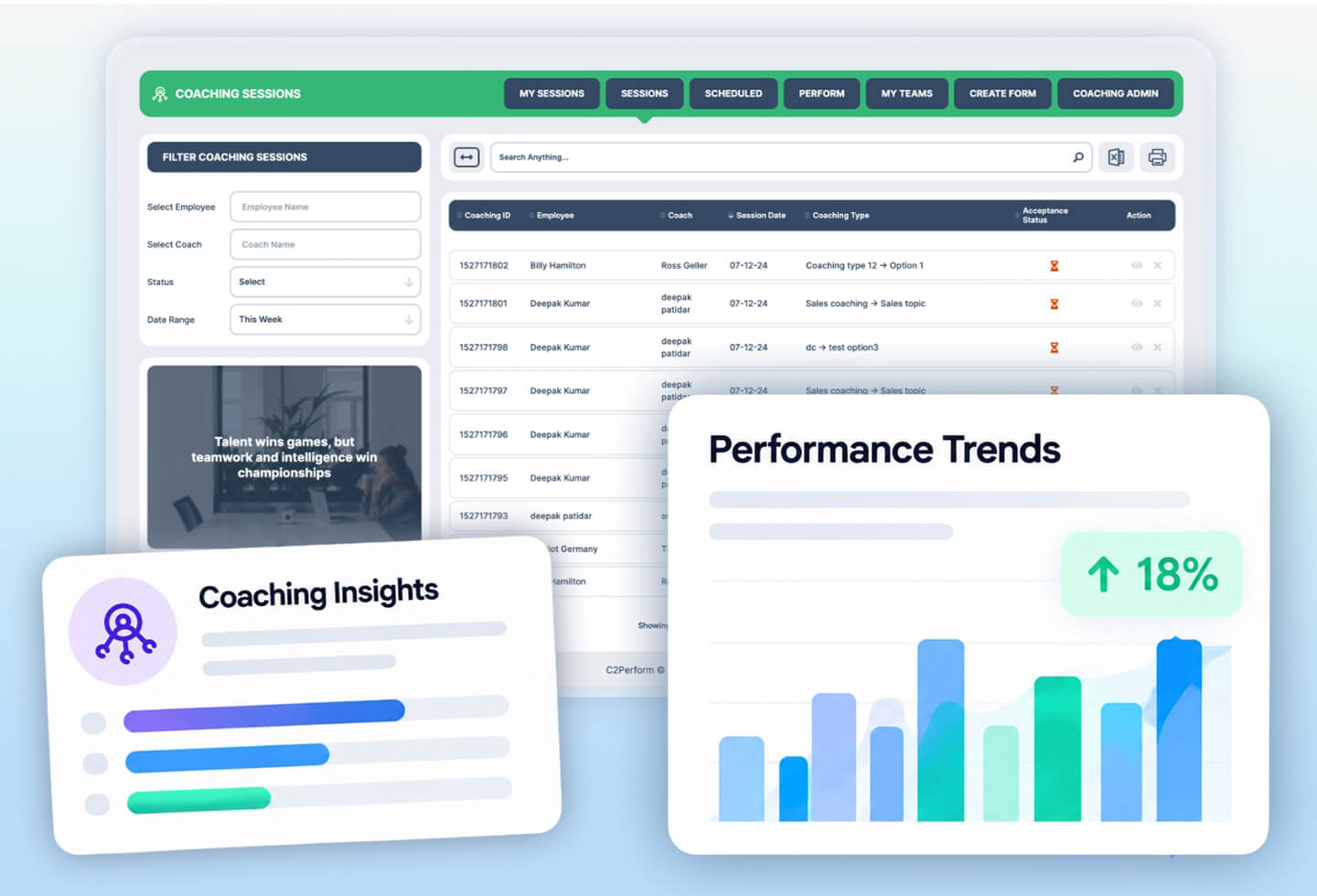
While many platforms focus on automating the claims transaction itself, C2Perform takes a different approach by focusing on the people who manage those claims. It’s a performance management system designed to work alongside your core claims software to ensure your team operates at its best. C2Perform helps you turn the data from your claims system into real performance improvements. For example, its Knowledge Management tools give agents instant access to accurate information, which is critical for first-call resolution. Meanwhile, features like Dynamic Coaching and Connected Quality Assurance help leaders provide targeted feedback, ensuring claims are handled consistently and correctly every time. It’s the engine that drives team excellence within the claims environment.
Guidewire ClaimCenter
Guidewire ClaimCenter is a well-known software solution for property and casualty (P&C) insurers. It’s designed to manage the entire claims journey, from the first notice of loss all the way through to settlement. The platform uses intelligent workflows and AI to guide adjusters through the process, helping them make more informed decisions. According to Guidewire, its system automates the claims process to create a more streamlined experience for both your team and your customers. By providing a comprehensive claims management software, Guidewire aims to bring consistency and efficiency to P&C claims operations, handling everything from assignment to payment.
Duck Creek Claims
Duck Creek Claims is another major player in the P&C insurance space, offering a modern platform built to help carriers handle claims with greater speed and accuracy. The software is designed to automate the full claims process, which can reduce processing times and lead to happier customers who receive clear updates and faster payments. Duck Creek emphasizes giving carriers better control over their operations while improving the overall customer experience. Their claims management software is built to be flexible, allowing insurers to adapt to changing market demands and customer expectations with a solution that supports the entire claims lifecycle.
Origami Risk
Origami Risk stands out with its focus on using AI to enhance P&C claims administration. The platform is built to automate many of the routine, time-consuming tasks that can slow down the claims process, freeing up your team to focus on more complex issues. A key feature of their approach is leveraging AI to improve fraud detection, helping insurers identify suspicious claims more effectively. Origami Risk’s claims administration software is designed for organizations looking to integrate advanced technology into their workflows to drive efficiency, reduce risk, and give adjusters powerful tools to manage their caseloads.
Sapiens ClaimsPro
Sapiens ClaimsPro is a comprehensive solution designed to give insurers the tools they need to manage claims efficiently from start to finish. The platform focuses on streamlining the entire claims process to ensure operational excellence. A major emphasis for Sapiens is helping insurers maintain compliance with industry regulations while also delivering excellent customer service. Their insurance claims management software provides a structured framework for handling claims, which helps create consistency and reliability in an insurer's operations. This approach is ideal for carriers who prioritize a well-defined, compliant, and customer-centric claims journey.
Riskonnect
Riskonnect offers claims management software that helps organizations handle claims from the initial incident all the way to final resolution. The platform’s primary goal is to make the claims process smoother, faster, and more efficient. It uses AI to automate tasks and provide adjusters with the insights they need to make better, more consistent decisions. By focusing on the entire claims lifecycle, Riskonnect’s claims management software solutions aim to reduce the administrative burden on claims teams and improve overall outcomes for the organization. The system is built to connect different aspects of risk and claims in one place.
The pros and cons of claims management software
Deciding to implement new claims management software is a big step, and it’s one that can reshape your entire operation. Like any major business decision, it comes with a list of potential benefits and challenges. Understanding both sides of the coin can help you make an informed choice and prepare your team for a successful transition. It’s not just about swapping out one tool for another; it’s about investing in a system that can handle your current volume while scaling with you into the future.
The right platform can bring incredible structure and control to what is often a complex, high-stakes process. However, the path to implementation requires careful planning, from migrating historical data to getting your team fully on board. The goal is to find a solution that not only streamlines your current process but also supports your long-term growth, improves the employee experience, and ultimately, creates more satisfied customers. Weighing the pros and cons is the first step toward making that happen.
Benefits: Process claims faster, improve accuracy, and operate more efficiently
Adopting claims management software is all about bringing structure and control to what can often feel like a chaotic process. The biggest win is speed. These platforms help you optimize and streamline every step, from first notice of loss to final settlement, which means you can resolve claims much faster. This efficiency boost doesn't just help your bottom line; it also leads to happier customers who appreciate a quick and painless experience. By automating repetitive tasks and centralizing information, you also significantly improve data accuracy, reducing the risk of costly human errors. It’s about creating a more consistent, visible, and manageable claims handling system for your entire team.
Challenges: Complex data migration, user adoption, and customization needs
Of course, implementing any new system comes with its own set of challenges. First up is data migration. Moving years of claim information into a new platform is a major undertaking, and ensuring everything is transferred correctly is critical for continuity. Then there's user adoption. Even the best software is useless if your team doesn't use it effectively. That’s why intuitive design and comprehensive training are so important for a smooth transition. Finally, many insurers have unique workflows or strict regulatory requirements that a standard solution can't handle. You may need a platform that allows for customization to truly fit your specific operational needs.
How to choose the right claims software
Selecting the right claims management software is a major decision that will shape your operations for years to come. It’s not just about buying a new tool; it’s about investing in a platform that will support your team, delight your customers, and grow with your business. A thoughtful, structured approach is the best way to find a solution that truly fits your needs. Instead of getting distracted by flashy features, focus on your core objectives and the practical realities of your daily workflow. By breaking the process down into manageable steps, you can confidently choose a platform that delivers real value.
Define your goals and assess your current process
Before you even look at a demo, take a step back and look inward. What are you actually trying to achieve? Start by identifying your company’s strategic goals. Are you aiming to reduce claims processing time, improve customer satisfaction, or lower operational expenses? Get specific. Map out your current claims process from first notice of loss to final settlement. Talk to your adjusters, examiners, and support staff to pinpoint the exact bottlenecks and pain points. A clear understanding of your current state is the only way to accurately evaluate your quality assurance and find software that solves your real-world problems.
Evaluate scalability, customization, and integration needs
The software you choose today must be able to support your business tomorrow. Think about your five-year plan. Will this platform be able to handle a higher volume of claims and more users as you grow? Beyond scalability, consider how well it can adapt to your unique workflows. Insurance isn't a one-size-fits-all industry, and your software shouldn't be either. Most importantly, assess its integration capabilities. Your claims software needs to communicate seamlessly with your other essential systems, like your policy administration platform, CRM, and internal communications hub. A platform that operates in a silo will only create more work for your team.
Consider vendor support, training, and pilot tests
A great product can quickly become a liability without strong vendor support. When you’re vetting potential partners, ask detailed questions about their onboarding process, training resources, and ongoing customer service. What does their support structure look like? What are their guaranteed response times? The best way to answer these questions and gauge a platform’s true fit is to ask for a pilot test or access to a sandbox environment. Letting your team get hands-on experience is invaluable for assessing usability and driving user adoption. Strong learning management and support from your vendor will make the transition smoother and ensure you get the most out of your investment.
Common implementation challenges to anticipate
Switching to a new claims management system is a significant project, and like any major operational change, it can come with a few bumps in the road. But being aware of potential hurdles ahead of time is the best way to ensure a smooth transition for your team and your customers. When you know what to look for, you can create a solid plan that addresses the most common issues before they become problems. A thoughtful approach turns a complex project into a successful one.
Most implementation challenges fall into three main categories: getting your data moved and systems connected, getting your team on board and comfortable with the new tools, and making sure everything stays secure and compliant. It might sound like a lot, but these are all manageable parts of a larger process. By breaking down the project and focusing on these key areas, you can guide your organization through the change with confidence. Let’s walk through each of these so you can feel prepared as you move forward.
Data migration and system integration
Moving your data is often the heaviest lift in any software implementation. You have years of claim information, customer details, and historical records that all need to find a new home in the system. The key is to ensure this information is transferred accurately and completely, without any loss or corruption along the way. This process requires careful planning and validation to get right. Beyond just moving data, you also have to think about how the new software will connect with your existing technology. Insurance companies often rely on a mix of modern and legacy systems, and your new claims platform needs to communicate with them seamlessly for a truly connected quality assurance process.
User adoption and training
A powerful new tool is only effective if your team actually uses it. One of the biggest hurdles to a successful rollout is getting your adjusters, processors, and managers to embrace a new way of working. If the software feels clunky or confusing, people will naturally resist it. That’s why it’s so important to involve your team early in the selection process and choose a platform with a user-friendly design. To set your team up for success, you need more than just a one-time training session. Ongoing support through dynamic coaching and accessible learning resources helps build confidence and ensures everyone gets the full benefit of the new system.
Security and compliance
In the insurance industry, security and compliance are non-negotiable. Your claims management software will handle a massive amount of sensitive customer information, and protecting that data is your top priority. The platform you choose must have robust security features to prevent breaches and safeguard your customers’ privacy. At the same time, the system needs to help you stay on top of ever-changing regulations and reporting requirements. A great platform will have built-in compliance features that make it easier to follow the rules and avoid costly fines. This includes clear audit trails and version control within your knowledge management system, so you can always track who made changes and when.
Measure the success of your new software
Implementing new claims management software is a big step, but the work doesn’t stop at launch. To truly understand the value it brings to your business, you need a clear plan for measuring its impact. By tracking the right metrics, you can see exactly how the software is performing and identify opportunities to make your claims process even better.
Track key performance indicators (KPIs)
Start by connecting your software's performance to your biggest business goals. Are you aiming to reduce claims processing time, improve accuracy, or handle a higher volume of claims with the same team? Your software should provide the data to track these objectives. Key performance indicators (KPIs) like average claim cycle time, First Call Resolution (FCR), and claim accuracy rates will give you a clear picture of your progress. A robust quality assurance program can help you consistently measure these metrics and turn performance data into actionable insights for your team.
Monitor customer satisfaction and fraud detection
Beyond operational efficiency, it’s essential to measure how your new software affects the customer experience. Keep a close eye on metrics like Customer Satisfaction (CSAT) scores and Net Promoter Score (NPS). Features like self-service portals, which allow customers to submit and track their own claims, often lead to happier, more informed clients. At the same time, your software is a critical line of defense against fraud. Use its analytical tools to monitor fraud detection rates and identify suspicious patterns, protecting both your customers and your business. This data can also inform your agent coaching sessions, helping them better serve customers and spot potential issues.
Assess your return and plan for improvements
Measuring success is an ongoing process, not a one-time report. Regularly review your data to assess the overall value the software brings in terms of structure, visibility, and control over your claims process. Use the real-time analytics to make smarter, data-driven decisions. For example, if you notice a recurring issue causing delays, you can use that insight to update your team’s resources. This creates a cycle of continuous improvement where insights from your claims platform are used to refine workflows and update your knowledge management system, ensuring your entire operation keeps getting stronger.
Related Articles
Frequently Asked Questions
What's the difference between a claims processing platform and a performance management system? Think of it this way: a claims processing platform is the vehicle that moves a claim from point A to point B. It handles the core transaction, like processing payments and managing documents. A performance management system, like C2Perform, is the expert driver and support crew. It focuses on making sure your team handles every claim correctly and consistently by providing tools for coaching, quality assurance, and easy access to knowledge. The two systems work together to create a smooth, efficient, and high-quality operation.
How can I ensure my team actually uses the new software? Getting your team on board is one of the most important parts of any software change. The key is to involve them early. Ask for their input during the selection process and let them test out different platforms. Once you've chosen a system, focus on providing great training that goes beyond a single webinar. Consistent support, like targeted coaching and easy-to-access learning materials, helps build confidence and shows your team that the new software is there to make their jobs easier, not harder.
Will this software replace our existing systems? Not necessarily. The goal isn't always to rip and replace everything you currently use. Many claims management solutions, especially performance-focused platforms, are designed to integrate with your existing core systems, like your policy administration software or CRM. This allows you to enhance your current process without starting from scratch. A good platform should connect seamlessly with your other tools to create a unified workflow for your team.
How does this software help with compliance and reducing fraud? These systems create a clear, consistent, and auditable trail for every claim. By automating workflows, you ensure that the proper steps are followed every single time, which is essential for meeting regulatory requirements. Many platforms also include features like version control for documents, so you always have a record of changes. For fraud prevention, the software can use data to flag suspicious activity, allowing your team to investigate potential issues thoroughly and protect your business.
What's the most important thing to do before choosing a software vendor? Before you look at a single demo, you need to have a deep understanding of your own process. Take the time to map out your current claims workflow and talk to the people who use it every day to identify the real bottlenecks and pain points. When you have a clear picture of the problems you need to solve, you can evaluate vendors based on your specific needs instead of getting distracted by features that don't matter to your operation.

 English
 Español