English
 Español
Claims Processing Systems: A Rollout Plan
A claims processing systems rollout guide covering workflow readiness, knowledge migration, role-based learning, QA governance, and adoption.
Read More

Schedule a demo to discover how whole-employee coaching contact center teams can improve retention and First Call Resolution beyond simple QA scores.

Ready to see how C2Perform can transform your contact center? Schedule a Demo
The C2Perform whole-employee coaching contact center approach is a strategy that combines call data with wider metrics like attendance and career growth. While interaction analysis looks at one call, whole-employee coaching looks at the daily habits and growth of each agent. This broader method helps contact center operations leaders avoid harsh tracking that can hurt well-being and long-term work. Instead, managers use data to provide targeted help, assigned learning, and clear paths for future jobs. Studies show that agent success comes from growth options and a helpful learning space rather than just tracking calls. By looking at the whole person, contact centers can keep more staff and ensure agents feel good in their roles. This shift from simple data collection to active growth helps teams reach their full potential.
Many contact centers use software to track how agents talk to customers. In fact, about 65% of firms now use tools to track work. But most do not use that data to help people grow. Pure interaction analysis only looks at one call or one chat at a time. It gives a score but does not show why an agent might struggle. Over time, constant checks can lead to high stress and lower output for your team.
Studies show that agent success comes from a helpful place to learn rather than just being watched. When you focus only on the numbers, you miss the big picture. You might see a low score on a call, but you will not know if the agent lacked training or had a bad day. To fix deep issues, you must look past the transcript and see the human work behind it.
A C2Perform whole-employee coaching contact center model looks at more than just scores. It includes things like how often a person shows up, their career goals, and their personal strengths. Interaction analysis is just one small part of a larger plan. If you only fix the calls, you might miss why your best people leave. Seeing the person behind the desk helps you build a team that wants to stay and do well.
Effective claims quality assurance coaching guide helps you find the root cause of work gaps. For example, an agent might have great talk tracks but struggle with a slow system. You can help them better when you know their full work life. This shift from simple checks to real help creates a culture where people feel heard and valued in their roles.
Data is only useful when you use it to make a change. Quality scores and transcripts provide the facts, but they do not provide the cure. You need to turn those data points into a path for growth. This means using the gaps found in your checks to set up new training or quick lessons. When you connect data to a plan, you move from just judging work to building a better workforce.
A unified system helps you keep track of all these moving parts. It ties learning and checks together so every review leads to a win. Investing in holistic agent development ensures that your team has the tools they need to meet high customer goals. By using a full view of your staff, you can turn a basic contact center into a hub of high results and low turnover.
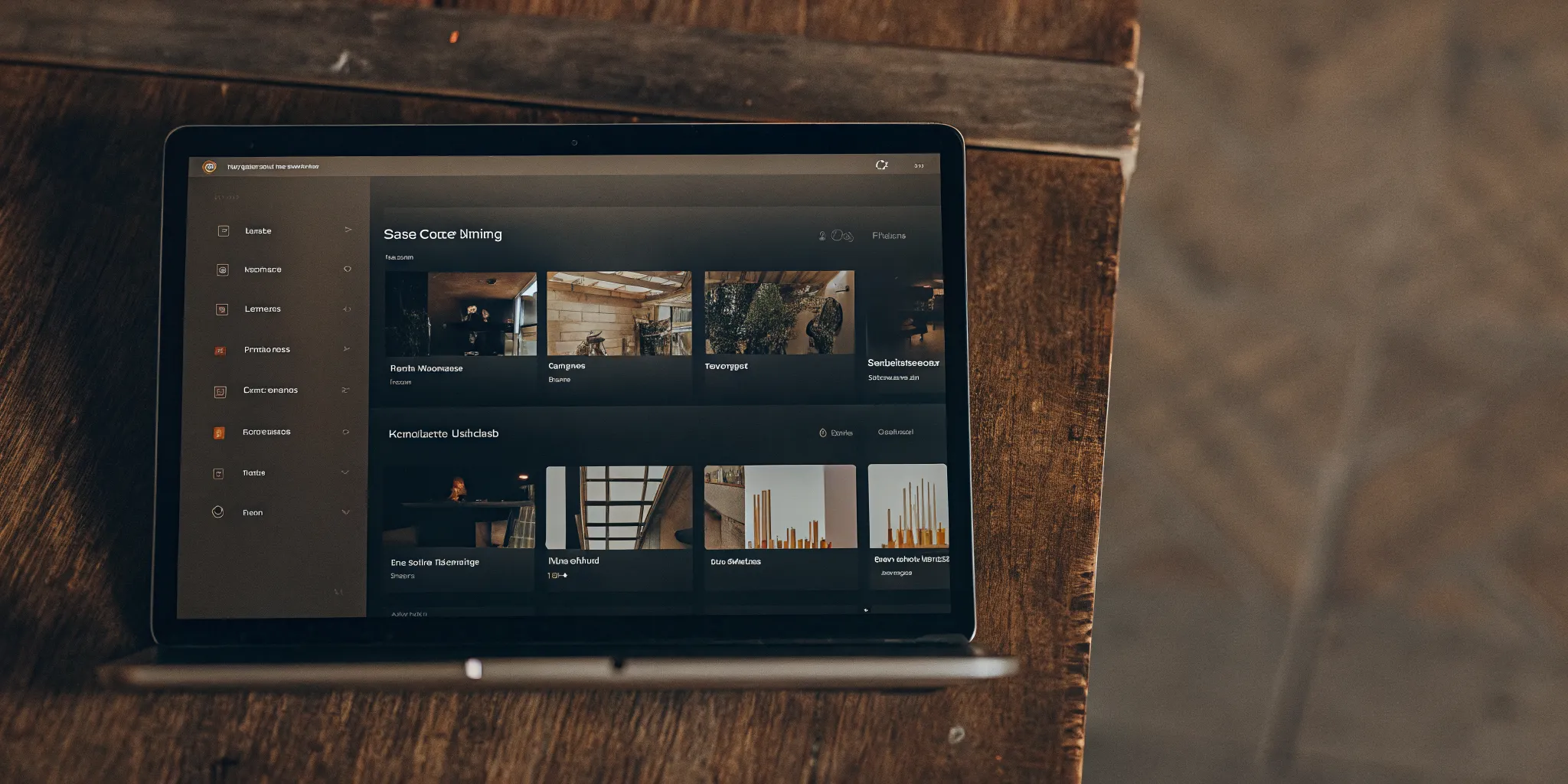
At C2Perform, we view whole-employee development as a unified approach to agent success.
Whole-employee coaching is a method that looks at the person, not just the task. In most contact centers, leaders focus on call scores or chat times. But this narrow view misses the full picture of why an agent succeeds or fails. True whole-employee coaching tracks being at work, how people act, and life goals. It treats the agent as a human who needs support to grow over time.
Interaction analysis is the way you check each customer call. It gives data points like tone of voice or how well an agent followed a script. While this data is useful, it does not tell you if an agent is tired or needs new skills. Research shows that work quality is linked to growth and a helpful climate. If you only look at call data, you might miss the stress that hurts long-term output.
This approach moves coaching from a quick fix to a steady plan. Instead of just telling an agent what they did wrong, a leader looks at why it happened. They might find that the agent has a hard time with a certain type of claim. Or they might see that the work schedule is causing them to miss key training steps. By looking at these links, a manager can give help that works for the agent.
Whole-employee coaching also covers long-term career growth. Many agents feel stuck in their roles and leave because they see no path forward. In fact, many firms find that top agents are tough to replace when they quit. By talking about career goals, leaders help agents feel valued and seen. This shift changes the work from just a job into a career path that the agent wants to keep.
A good plan should include a mix of hard and soft skills. Hard skills might be learning a new tool or system. Soft skills focus on how the agent handles stress or talks to teammates. When these are part of a coaching plan, agents build the strength to handle harder customer issues. This leads to better service for the customer and a better day for the agent. It also keeps team goals in line with what each person wants to reach.
The climate of a contact center has a big impact on how well agents perform. Rigid checking systems can cause high stress and lower well-being for the team. But a focus on the whole person helps create a better place to work. When agents feel their leaders care about their lives and growth, they work harder. This helpful feel helps lower the high quit rates common in the field.
Lastly, this method helps leaders use their time in the best way. Instead of chasing every small error, they focus on the big patterns. They can set up training that matches what the agent needs right now. This makes every coaching session more useful and less like a chore. Over time, the team becomes more skilled and stays together much longer. It builds a group of experts who know the brand and the customer well.
Many contact centers track performance with watching tools. In fact, nearly 65% of firms track staff this way. But data is just the start. You must know the gap between data points and the person behind them. A call center performance monitoring style helps leaders see the full picture. It moves the focus from a single call to the growth of the person doing the job.
Interaction analysis looks at the details of a single call or chat. It shows what happened during that one event. It tracks things like how long the call lasted or if the staff used the right script. This tool gives you a snapshot of a single moment in time. It is a vital part of a quality review. But it does not tell you why a person is failing. It also does not show where they want to go in their job. You only see what happened, not why it happened.
Most firms use this data to score work. But watching alone can cause stress. Some experts find that constant watching might hurt health. This can lead to less work over time. You need to use the data to help, not just to watch. Interaction data is a tool. It is not the final end. If you only watch, you miss the chance to help your team grow. You risk burning out your best people with too much focus on small stats.
Whole-employee coaching takes a wider view. It does not stop at call scores. It looks at the whole person. This includes things like presence, career goals, and growth. Research shows that performance links to a helpful learning climate and staff health. When you look at the whole staff, you see the person, not just a score. This helps you find the root cause of any performance dips.
This method helps keep staff on the team. Staff loss is a big risk in this field. About 12% of service staff leave each year. By focusing on growth, you give staff a reason to stay. You move from finding faults to building skills. This creates a better workplace for everyone. Staff feel valued when you invest in their future. They are more likely to work hard when they see a clear path forward in the firm.
The main gap is how you use the data. Interaction analysis is the tool that gives you facts. Whole-employee coaching is the goal that uses those facts to help people grow. You take the data and turn it into real help. This might mean assigned learning or a talk about a career path. It moves you from just watching to truly leading. A holistic agent development plan ensures that every data point serves a need. It ties the data to the staff member's unique needs.
This shift helps staff feel more power in their roles. It connects daily tasks to long-term goals. Leaders can spend less time on paperwork and more time on people. This helps the whole firm reach its goals. It also makes for happier customers who get better help. When staff feel supported, they give a higher level of service. This loop of growth and support leads to long-term success for the whole contact center.
| Feature | Interaction Analysis | Whole-Employee Coaching |
|---|---|---|
| Scope | Single interactions like calls or chats. | The entire staff history and goals. |
| Primary Focus | Find mistakes and track call metrics. | Build strengths and career growth. |
| Key Metrics | Call time, script use, and tone. | Career goals, presence, and health. |
| Typical Outcomes | Scorecards and call data. | Better staying power and higher skill. |
| Software Needed | CCaaS or CRM tools. | Integrated performance layers. |

A true whole-employee coaching contact center strategy goes far beyond simple call scores. It looks at the full scope of a person's work life to build a supportive learning environment. Research shows that agent performance links directly to chances for growth and well-being rather than just strict monitoring. Leaders must tie various data points together to see the full picture of their team.
Modern service teams face high pressure. About 82% of professionals note that customer expectations are higher than ever before. To meet these demands, you need a plan that pulls in facts like attendance and personal career goals. Using a holistic agent development model helps you turn data into helpful actions. This keeps your team focused and lowers the stress that comes from rigid monitoring systems.
When you align personal goals with business needs, you create a stronger sense of purpose. This part of the plan involves setting learning paths that fit each person's needs. Instead of giving everyone the same training, you can use quality data to assign specific lessons. This level of whole-employee coaching ensures that every task adds value to the agent's career. It moves the focus from what went wrong to how a person can grow.
Success in a contact center is not just about today's scores but about keeping your best people. High turnover is a big problem, as many trained staff leave their roles each year. A continuous performance improvement plan helps you track these trends over time. By looking at personal strengths and learning styles, you can build a culture that lasts. This strategy helps make the workplace a space where people want to stay and do well.
A whole-employee coaching contact center plan changes how teams grow and thrive. Old ways of managing often look only at call scores and simple data points. But true growth comes from looking at the whole person and their unique needs. This path looks at their goals, their work habits, and their well-being to reduce stress.
When you use this path, your team gets better at their daily jobs. Research shows that agent development leads to higher output and much better work. Agents who feel supported are more likely to hit their hard goals. They have the tools and the drive to do their best for every customer they help.
Customer needs are growing fast. Facts show that 82% of service pros say customer needs are higher than in the past. This means agents must give the right facts on the first try without needing a transfer. This keeps your customers happy and cuts down on long call wait times.
Good tools and knowledge help your team solve tough problems with ease. You stop just fixing small slips and start building true experts. These experts know how to handle complex tasks and keep your brand strong. This shift moves your center from just checking boxes to driving real value.
High staff loss is a big hurdle for many contact centers today. Studies show that about 12% of service staff leave their jobs each year. Losing skilled staff hurts the flow of your business and lowers team morale. Using whole-employee coaching makes your team want to stay and build a career with you.
Agents who see a clear career path feel valued and seen by their leaders. They are more likely to stay and grow in their roles for a long time. This saves your firm time and keeps hiring burdens low for the year. It also keeps a deep pool of skill in your shop that is very hard to replace with new hires.
In some fields, you must follow very strict rules to stay in business. This coaching style helps you stay safe and follow the law at all times. Version tools show who made, changed, or approved your training facts and coaching plans. This is vital for teams in fields like health, insurance, or back-office finance.
Using one clear system keeps things the same for each team and site. It keeps your quality high and cuts down on bad habits that lead to errors. Leaders can see what works and what does not work in real time with ease. This leads to steady gains for the whole firm over the long run.
Contact centers often track every move an agent makes. But data alone does not grow a team. Leaders must balance interaction scores with the needs of the person behind the desk. Focusing only on numbers misses the big picture of how an agent grows. True whole-employee coaching in a contact center looks at more than just one call.
Research shows that performance links to growth and a helpful learning climate more than just watching. Constant watching can cause stress. Stress makes it hard for people to do their best work long-term. Use your data to find where an agent needs help. Then give them the tools to succeed.
Interaction data tells you what happened during a customer talk. It gets facts like call length or if the agent used the right greeting. These points matter, but they are not a full map of a person's skill. Coaching should take these facts and turn them into a path for growth. It must cover things like how they use their time and their career goals.
Think of data as a tool to spot trends. If an agent has low scores, do not just give them a bad grade. Use that data to start a talk about why they struggle. Maybe they need new training or a faster way to find facts. This shifts the focus from judging the past to building a better future.
Many teams use CRM or WFM tools to watch metrics like speed. The key is to link these metrics to real support. When you use whole-employee coaching, you look at the person as a whole. You see how their habits or stress might affect their work. This helps you give the right help at the right time.
Instead of manual checks for every error, use sampling to get a fair view of work. This gives enough data to be helpful without making extra work for the leader. By looking at the whole person, you build trust. Trust leads to better work and keeps your best agents from leaving.
You can use tech to make coaching easier, but it should not replace the leader. Set up systems to trigger a session when data points drop. For example, if an agent fails to solve an issue, the system can alert the leader. It can also assign a quick training module to help the agent right away.
These triggers ensure that no one gets lost. But the final step should be human. A quick talk with a leader helps the agent feel valued. This mix of fast data and real human care is the best way to lead a top team.
Interaction analysis gives data from specific calls or chats. It helps find errors and technical gaps. In a whole-employee strategy, this data is just one part of the picture. Managers use these facts to start deeper talks about agent growth. According to the National Institutes of Health, performance is linked to growth options and a helpful learning space. Instead of only fixing one call, leaders look for patterns to build better career plans.
Whole-employee coaching often works better without fully automated tools that lack a clear view. Using small, valid sets of data gives enough info to guide human-led sessions. This approach focuses on turning quality data into targeted coaching and assigned learning. By using smaller, accurate samples, leaders can spend more time on meaningful talks that help agents grow their skills and stay engaged at work. This ensures that the human element stays at the center of the coaching process.
As customer needs grow, agent support must keep up. Research from Salesforce shows that 82% of service workers say expectations are higher than in the past. To meet these needs, coaching must move beyond simple call scores. Leaders should focus on the whole employee to build the skills and confidence needed for complex tasks. This holistic support helps agents handle tough calls and improves the overall customer experience for everyone involved.
In fields with strict rules, coaching needs clear records. High-quality systems use version control to show who made and approved coaching content. This clear view is vital for following industry rules. By tracking every piece of feedback and training, companies can prove they meet standards. This structured path helps protect the business while making sure that agents always have the most accurate info to help customers.
Each day your team waits to move to whole-employee coaching is a day spent losing great people to stress and low spirits. Using single call scores alone leaves your workers feeling like numbers, which makes it harder to keep your best staff as time goes on. When you wait to make this shift, you miss the chance to fix the main cause of poor work. By starting now, you can bridge this gap and help your leaders turn data into clear paths for growth and better goals. You can see how this works in our guide on whole-employee coaching for QA teams. Waiting to act only lets the same old problems grow, but making the move today puts your center on the right path. This ensures your staff feel seen and heard in their daily work.
Ready to move past interaction analysis? Schedule a free demo to see how our coaching tools can help your team.